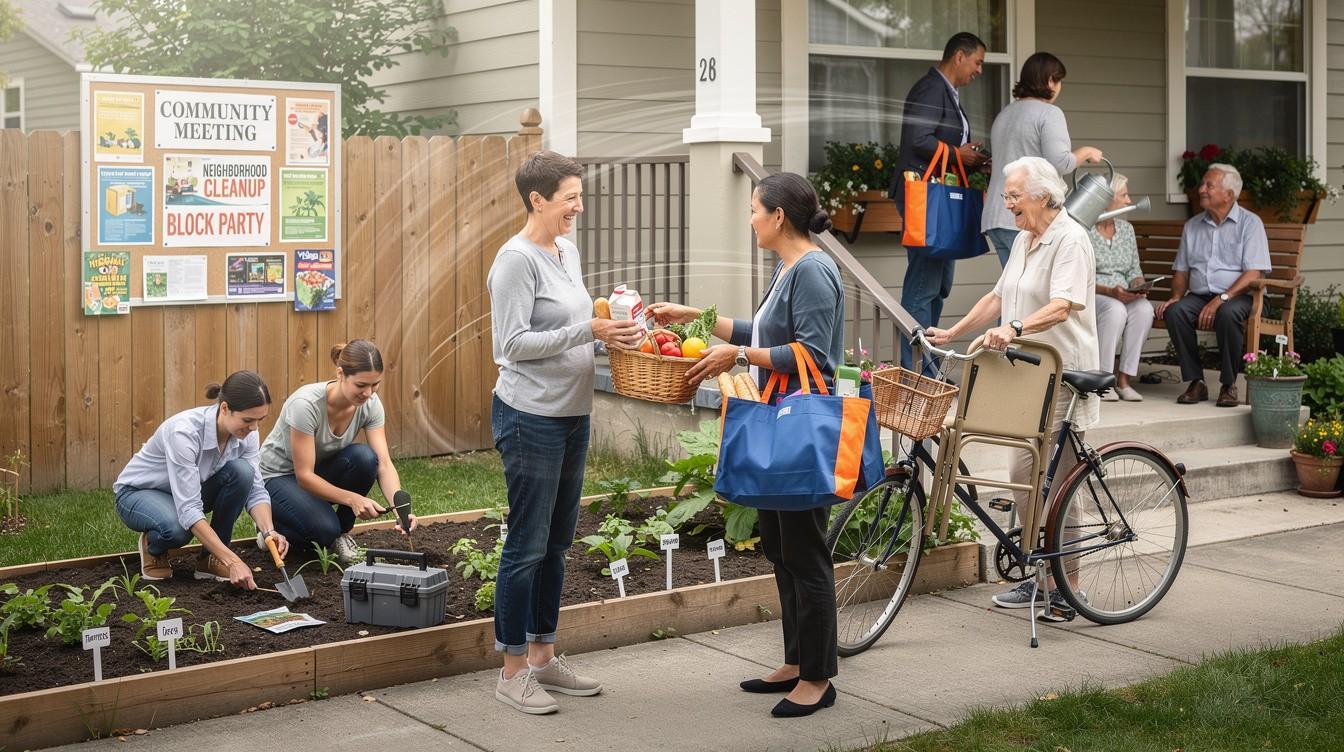
Addiction can make a person feel disconnected from the people, places, and routines that once gave life meaning. Recovery begins with treatment, but long term progress is also shaped by what happens outside the treatment setting. When neighbors, families, friends, peer groups, faith communities, and local professionals work together, individuals recovering from addiction can have more opportunities to build healthy relationships and maintain meaningful routines. Across Palm Springs, creating stronger recovery networks can help people feel supported while they work toward lasting change.
A recovery network does not need to be large or complicated. Sometimes, it begins with one trusted person who listens without judgment. From there, it can grow to include family members, counselors, support groups, community organizations, and other positive influences.
Why Recovery Networks Matter
Addiction often affects much more than substance use. It can damage relationships, disrupt employment, create financial difficulties, and contribute to emotional distress. Over time, these challenges may lead a person to withdraw from others.
That isolation can make recovery more difficult.
A healthy support network gives individuals opportunities to talk about challenges before they become overwhelming. It can also provide encouragement when cravings, stress, relationship problems, or other difficulties arise.
Connection Can Reduce Isolation
Feeling alone can make a difficult situation seem impossible to change. Positive social connections provide another perspective and remind individuals that they have people they can turn to.
For someone in recovery, a supportive neighbor might offer a simple invitation to take a walk. A friend might encourage participation in a sober activity. A family member might help someone maintain a healthy routine. These actions may seem small, but consistent support can have real value.
Support Should Include Accountability
Healthy support is not about protecting someone from every consequence or excusing harmful behavior. Recovery also requires responsibility.
A strong support network can combine encouragement with appropriate boundaries. Loved ones can express concern, reinforce healthy choices, and encourage professional assistance when necessary.
This balance helps create an environment where recovery is respected while personal responsibility remains part of the process.
How Palm Springs Neighbors Can Support Recovery
Everyone has a potential role in creating a recovery friendly community. People do not need to be addiction specialists to make a positive difference.
Learn More About Addiction
Education is an important starting point. Understanding that addiction can involve physical, emotional, behavioral, and social factors can help reduce harmful stereotypes.
When people replace judgment with knowledge, conversations about treatment can become more constructive. Someone who is struggling may feel safer acknowledging a problem when they know they will not immediately be criticized or dismissed.
Create Opportunities for Healthy Connection
Recovery becomes easier to maintain when people have alternatives to environments centered around substance use.
Neighbors and community members can encourage activities such as:
- Walking or exercising together
- Volunteering
- Attending community events
- Participating in support groups
- Spending time with family
- Joining substance free social activities
- Developing hobbies and creative interests
These activities can help people build new routines while developing relationships that support their recovery goals.
Know When Professional Help Is Needed
Community support is valuable, but it should not replace professional addiction treatment.
Someone experiencing significant substance use problems may need assessment, counseling, detoxification, structured treatment, or ongoing recovery support. Professional care can help identify individual needs and determine an appropriate level of treatment.
Narconon River Bend describes individualized and holistic recovery services that include counseling, detoxification, life skills development, and personal growth. The site also describes inpatient and outpatient options for people with different treatment needs and circumstances.
Family Members Can Strengthen the Recovery Network
Families are often deeply affected by addiction. Parents, spouses, siblings, and other loved ones may experience fear, frustration, anger, or uncertainty about what to do next.
Although every family situation is different, education and healthy communication can make a difference.
Replace Shame With Constructive Conversations
Shame can cause people to hide their substance use and avoid seeking help. A constructive conversation focuses on concern, safety, and the possibility of getting appropriate support.
Instead of attacking someone’s character, loved ones can describe what they have observed and encourage the person to speak with a qualified professional.
Support does not mean ignoring destructive behavior. Families can establish clear boundaries while still communicating that recovery and change are possible.
Encourage Healthy Routines
Recovery involves rebuilding everyday life. Consistent sleep, nutritious meals, physical activity, productive responsibilities, supportive relationships, and meaningful activities can all contribute to a healthier lifestyle.
Family members can reinforce these routines by creating a stable and encouraging home environment when appropriate.
Mental Health Belongs in the Conversation
Addiction and mental health challenges can overlap. Anxiety, depression, trauma, chronic stress, and other emotional difficulties may influence substance use, while substance use can make emotional problems harder to manage.
For this reason, recovery support should consider the whole person.
Address Emotional Triggers
Learning to recognize emotional triggers can help individuals understand situations that may increase cravings or unhealthy behaviors.
Professional mental health treatment can provide strategies for managing difficult emotions and developing healthier coping skills. When these concerns are addressed alongside addiction, individuals may have a more complete foundation for recovery.
Narconon River Bend’s website emphasizes addressing both physical and emotional aspects of recovery as part of its broader individualized approach.
Holistic and Faith Based Support Can Add Meaning
Recovery is not simply about stopping substance use. It can also involve rebuilding identity, relationships, confidence, responsibility, and purpose.
A holistic approach considers multiple areas of a person’s life rather than focusing on one symptom.
Building a Sense of Purpose
For some individuals, faith and spirituality can become meaningful sources of direction. Faith based communities may offer fellowship, mentoring, encouragement, and opportunities to serve others.
These resources can complement professional treatment by helping individuals reconnect with their values and develop a stronger sense of purpose.
The important consideration is that support should reflect the individual’s beliefs and preferences. Personalized care recognizes that different people may find meaning and motivation in different ways.
Building a Recovery Network After Treatment
Leaving a treatment program can be an important milestone, but it can also bring new challenges. Everyday responsibilities return, old environments may be encountered again, and stress can test the skills developed during treatment.
That is why building a support network before or during this transition can be useful.
Start With a Few Trusted People
A person does not need dozens of contacts to have meaningful support. Start with a small group of reliable people who respect recovery goals.
This might include a family member, counselor, peer, sponsor, close friend, or another trusted individual.
Have a Plan for Difficult Days
Recovery will not always feel easy. Stress, cravings, conflict, disappointment, and unexpected events can happen.
Knowing who to contact before a difficult moment occurs can make it easier to ask for help early. A simple plan might include trusted contacts, professional resources, support meetings, and healthy activities that can provide a positive distraction.
Keep Building Healthy Connections
A recovery network should evolve over time. As confidence grows, individuals may discover new interests, relationships, volunteer opportunities, and community activities.
The goal is not to create a perfect life. It is to build a life where healthy choices have room to become consistent choices.
Stronger Neighborhoods Can Support Stronger Recovery
Recovery is personal, but it does not have to be isolated.
When Palm Springs residents learn about addiction, reduce stigma, support healthy relationships, encourage professional treatment, and create opportunities for positive connection, they can contribute to a more recovery friendly environment.
At the same time, individuals struggling with addiction deserve access to professional care that recognizes their specific circumstances. Inpatient and outpatient treatment, mental health support, holistic services, counseling, life skills development, and individualized planning can all play important roles depending on a person’s needs.
A strong recovery network brings these forms of support together without expecting any single person or organization to do everything.
Take the Next Step Toward Recovery
If addiction is affecting your life or the life of someone you love, reaching out for help can be the beginning of a healthier direction. You do not have to solve every problem before asking for support.
Start with one conversation. Speak with a qualified treatment professional. Talk with someone you trust. Explore the care options available to you.
With individualized treatment and a network of people who encourage healthy choices, recovery can become more than a goal. It can become the foundation for rebuilding relationships, developing confidence, finding purpose, and creating a healthier future.
Neighbors can help. Families can help. Professionals can help. Most importantly, no one has to face addiction without support.
