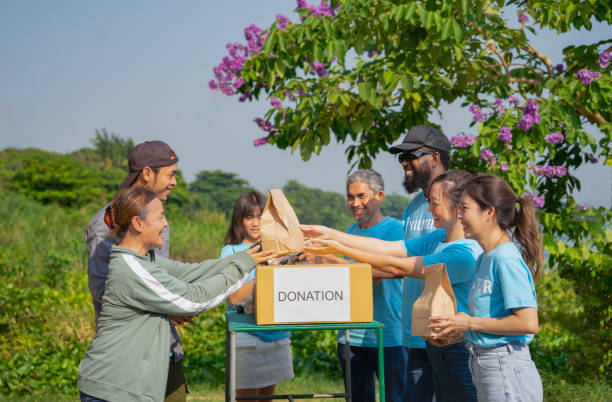
For someone struggling with addiction, asking for help can feel like one of the hardest decisions they will ever make. Fear of judgment, uncertainty about treatment, financial concerns, and worries about withdrawal can all prevent people from taking that first step. In Palm Springs, volunteers and community organizations can help make the process less overwhelming. By offering information, connecting individuals with local resources, supporting families, and encouraging professional care, these local helpers play an important role in making addiction treatment more accessible.
Volunteers cannot replace qualified addiction professionals, but they can help bridge the gap between recognizing a problem and finding appropriate care. Sometimes, a conversation with someone who listens without judgment is what encourages a person to explore treatment options.
The Role of Volunteers in Palm Springs Addiction Recovery
Addiction affects individuals, families, workplaces, and entire communities. Its consequences may include damaged relationships, financial instability, declining physical health, and emotional distress. However, many people who need treatment do not know where to begin.
Community volunteers can help by making reliable information and support easier to find.
Helping People Recognize When Treatment Is Needed
One of the first challenges is recognizing that substance use has become a serious problem. Someone may minimize their drug or alcohol use, make repeated promises to stop, or believe they can manage the situation without assistance.
Volunteers working with community organizations can help share educational information about addiction and its warning signs. They can encourage people to consider whether substance use is affecting their health, responsibilities, relationships, or personal safety.
The goal is not to diagnose or criticize. It is to encourage an honest conversation and help individuals understand that professional assistance is available.
Connecting Individuals With Treatment Resources
Finding an appropriate treatment program can involve several steps. Individuals may need information about detoxification, residential treatment, outpatient services, counseling, financial assistance, transportation, or family support.
Community volunteers can help people identify trustworthy resources and understand where to ask questions.
For example, a volunteer might help someone locate a treatment provider, find a support group, or contact a community organization that offers recovery guidance. These practical actions can reduce confusion and make it easier to move forward.
Why Early Support Makes a Difference
People sometimes delay addiction treatment because they believe their situation is not serious enough. Others wait until a crisis forces them to reconsider their circumstances.
Early support can help individuals explore treatment before substance use causes further disruption.
Recognizing Common Warning Signs
Friends, relatives, coworkers, and community members may notice changes that suggest someone is struggling.
Potential warning signs include:
- Increasing secrecy about alcohol or drug use
- Repeated attempts to stop without lasting success
- Missing work, school, or family responsibilities
- Financial problems connected to substance use
- Withdrawal from friends and healthy activities
- Changes in mood, behavior, or physical health
- Continuing to use substances despite harmful consequences
These signs do not establish a diagnosis, but they can indicate that a conversation with a healthcare professional may be appropriate.
Making the First Conversation Easier
Approaching someone about addiction requires care. Accusations and confrontational language can make a person defensive or less willing to discuss the problem.
A better approach is to express concern using specific observations. For example, a family member might explain that they have noticed missed responsibilities or changes in behavior and are worried about the person’s well being.
Listening is just as important as speaking. Allowing someone to describe their concerns can help build trust and create an opportunity to discuss professional treatment.
How Local Organizations Can Help Families
Addiction affects more than the individual using substances. Family members may experience anxiety, frustration, exhaustion, and uncertainty about how to respond.
Palm Springs community organizations can help families find information, education, and support while they consider the next steps.
Providing Guidance Without Judgment
Families often need answers to practical questions:
- How can we encourage someone to seek addiction treatment?
- What should we do if the person refuses help?
- How can we establish healthy boundaries?
- What treatment options are available?
- Where can family members find support for themselves?
Community outreach programs and family support organizations can help people locate appropriate resources.
Volunteers may also assist with educational events, resource directories, and referrals. These activities help families understand that they do not have to manage every aspect of addiction alone.
Supporting Healthy Boundaries
Helping someone with addiction does not mean accepting harmful behavior or ignoring personal safety.
Families may need to establish clear boundaries around money, living arrangements, communication, and responsibilities. Professional counseling can help loved ones understand how to provide support without unintentionally enabling substance use.
A caring community recognizes the needs of families as well as those of individuals seeking recovery.
Connecting People With the Right Level of Addiction Treatment
One of the most valuable contributions volunteers can make is helping individuals understand that addiction treatment is not limited to one type of program.
The appropriate level of care depends on a person’s substance use history, physical health, mental health needs, withdrawal risks, living circumstances, and treatment goals.
Understanding Detoxification and Withdrawal Support
For some individuals, stopping alcohol or certain drugs can involve serious withdrawal symptoms. Alcohol and benzodiazepine withdrawal, in particular, can be medically dangerous.
People should not attempt to manage potentially dangerous withdrawal without appropriate medical guidance. A qualified healthcare professional can assess the risks and recommend medically supervised detoxification when necessary.
Volunteers can help by directing individuals toward qualified providers rather than offering medical advice themselves.
Exploring Inpatient and Residential Treatment
Inpatient or residential treatment may be appropriate for individuals who need a structured environment and more intensive support.
These programs can provide separation from everyday triggers and opportunities to focus on recovery. Depending on the provider, services may include counseling, recovery education, life skills development, and ongoing guidance.
Considering Outpatient Treatment
Outpatient treatment allows eligible individuals to receive professional services while continuing to live at home and manage certain daily responsibilities.
This option may include individual counseling, group sessions, recovery education, and continuing support. However, it is not appropriate for every situation. A professional assessment can help determine whether outpatient care provides enough structure and supervision.
Mental Health Support Should Be Part of the Process
Addiction and mental health concerns can occur together. Anxiety, depression, trauma, chronic stress, and other emotional difficulties may influence substance use or make recovery more challenging.
For this reason, finding addiction treatment should also involve considering a person’s mental and emotional well being.
Helping Individuals Find Appropriate Mental Health Resources
Volunteers can help connect people with qualified mental health professionals, counseling services, and community behavioral health resources.
They should avoid trying to diagnose conditions or recommend treatment approaches themselves. Instead, their role is to make professional assistance easier to access.
Integrated care may be especially important for people experiencing both substance use and mental health challenges. Addressing these concerns together can provide a more complete understanding of an individual’s needs.
The Value of Holistic and Individualized Recovery
No two people experience addiction in exactly the same way. Their backgrounds, health concerns, relationships, personal values, and recovery goals may differ significantly.
An individualized approach considers these differences when developing a treatment plan.
Addressing More Than Substance Use
Recovery involves rebuilding many areas of life. Physical health, emotional stability, healthy relationships, personal responsibility, and practical life skills can all influence long term progress.
Holistic recovery approaches may incorporate healthy routines, physical activity, nutrition, personal development, and other activities that support a healthier lifestyle.
Narconon program materials describe an approach that includes drug-free withdrawal support, New Life Detoxification, personal development, and life skills training. These program elements are intended to help participants develop skills and routines that support a drug-free life.
Treatment choices should always reflect an individual’s circumstances, and medical needs should be assessed by qualified healthcare professionals.
Respecting Personal Beliefs and Values
Some people also find meaning in spiritual or faith-based support. Faith communities can provide fellowship, mentorship, service opportunities, and a sense of purpose.
These resources may complement professional treatment for individuals who want them. The most important consideration is that recovery support should respect personal beliefs and individual preferences.
Practical Ways Palm Springs Residents Can Get Involved
Community involvement does not require specialized clinical training. Residents can contribute through simple, responsible actions that help people find support.
Volunteer With Established Organizations
People interested in helping can explore opportunities with established nonprofits, community outreach programs, and recovery organizations.
Depending on the organization’s needs, volunteers may assist with educational events, resource distribution, administrative work, fundraising, or community activities.
Before volunteering, learn about the organization’s mission, training requirements, confidentiality policies, and approach to supporting people affected by addiction.
Share Reliable Treatment Information
Misinformation can make it harder for someone to choose appropriate care. Volunteers can help by sharing information from reputable treatment providers, healthcare organizations, and established community resources.
Avoid promising guaranteed results or recommending a program without understanding its services and qualifications.
Support Recovery Friendly Activities
Community events can give individuals opportunities to participate in healthy activities and build positive relationships.
Walking groups, volunteer projects, educational workshops, creative programs, and substance-free gatherings can help create connections beyond environments associated with past substance use.
Every Helpful Connection Can Lead to a New Beginning
Volunteers and community organizations in Palm Springs can make a meaningful contribution to addiction recovery. They can help people recognize warning signs, find reliable information, connect with treatment providers, and access support for their families.
However, community assistance works best when it complements professional care. Addiction can involve serious physical and mental health concerns, and individuals deserve treatment that considers their specific needs.
Whether someone needs medically supervised withdrawal, residential treatment, outpatient services, counseling, mental health support, or continued recovery guidance, the first step is finding qualified help.
Take the First Step Toward Professional Addiction Treatment
If you or someone you love is struggling with substance use, reaching out for help does not have to wait until everything feels out of control. A conversation with a healthcare professional or addiction treatment provider can help clarify available options and identify an appropriate next step.
Palm Springs volunteers may help open the door by providing information, encouragement, and connections to local resources. Professional treatment can provide the structured guidance needed to address addiction and begin rebuilding everyday life.
Recovery starts with asking for help. With reliable information, individualized care, and support from people who want to see others succeed, a healthier future can become possible.
